

Since I was a boy, I’ve sat at the feet of elders who talked about the stirrings of the Spirit in our community. On those slow evenings, under the lazy spin of ceiling fans, one thing grew clear: what we like to call a sudden burst of grace rarely shows up unannounced. We toss around the word spontaneous for revivals, but that word does a quiet violence to the long prayers, the tear-soaked vigils, and the years of steady plowing that come before any harvest of souls. The phrase may quicken the pulse, yet it hides the deep roots that hold every real move of God.
This reflection doesn’t come from a library shelf. It rises out of oral histories handed down through generations in Brownsville and places like it. I’ve sat with elders who remembered the brush arbor meetings before the great awakenings, and they never talked about surprise. They talked about anticipation, a weight building like storm clouds over cracked ground. To honor their witness, we need to poke at the words we use and reclaim a theology of revival that makes room for preparation, stubborn persistence, and the hidden work of the Holy Spirit long before the first altar call.
The Seduction of Spontaneity
When we label a revival spontaneous, we buy into a kind of romanticism. The picture hooks you: a town going about its ordinary routines when, without a whisper of warning, the heavens crack open. Reports of the 1904 Welsh Revival or the 1857 Prayer Meeting Revival often lean hard on the unexpectedness—a young girl’s testimony, a quiet businessman’s whispered prayer. But those stories compress history. They pluck a moment of ignition away from the smoldering tinder that had been piling up for years.
In Brownsville, the oral tradition remembers the 1995 outpouring differently. Before that first public meeting drew cameras from across the world, a handful of intercessors had spent months in intensified prayer. Pastor John Kilpatrick had been preaching a series on revival, pressing the congregation to seek God with fresh desperation. An older deacon told me once, “We weren’t surprised when the fire fell. We were surprised it had taken so long.” That testimony flips the story from accident to appointment.
The Psychology of Expectancy
Calling a revival spontaneous can also soften the church’s grasp of her own part. If we think God acts on a whim, apart from human cooperation, we might drop the disciplines that grow expectancy. The early church in Acts didn’t stumble into Pentecost. They devoted themselves to prayer, together, in one accord (Acts 1:14). The Azusa Street Revival had its roots in the holiness movement and years of Bible study in Richard and Ruth Asberry’s home. In every genuine awakening I’ve studied or heard about from people who lived it, there was a preparatory season—a hidden, deliberate lining up with God’s purposes.
Look at the words of Scripture. The prophet Hosea pleads, “Sow for yourselves righteousness; reap steadfast love; break up your fallow ground, for it is time to seek the Lord, that he may come and rain righteousness upon you” (Hosea 10:12). That farming metaphor assumes labor before the rain. The fallow ground, crusted over by neglect, has to be broken. That’s not a spontaneous act. It’s a slow, often painful, turning of the dirt.

Oral Histories and the Hidden Roots
My own understanding has been shaped less by academic histories than by the voices of people who walked through seasons of renewal. Aunt Liza, a prayer warrior in our congregation until she died at ninety-four, described the years before a notable local awakening in the 1940s. She and a small band of women met every Wednesday morning for a decade, praying for their children, their pastors, and their town. “We didn’t call it revival,” she said. “We called it plowing. When the green shoots came up, folks acted like it was magic. But we knew the seed had been buried deep.”
These oral histories correct our impatience. In a time when we want everything right now, we’re tempted to hunt for shortcuts to spiritual clout. But the testimony of the faithful across generations insists that deep roots come before lasting fruit. The great awakenings under Wesley, Whitefield, and Edwards were preceded by small group gatherings, intense theological wrestling, and social concern. The revival that reshaped the Hebrides Islands in 1949 was born through the prayers of two elderly women, Peggy and Christine Smith, who had been interceding for years. When the Spirit moved, it wasn’t a break from their labor. It was the fulfillment.
The Danger of Historical Amnesia
When we strip revivals of their history, we do more than misread the past; we risk discouraging the faithful who are right now laboring in obscurity. A young pastor working soil that feels like concrete can look at stories of “spontaneous” revival and wonder why the heavens stay silent for him. He might not know that behind every headline there was a backstory of hidden faithfulness. If we only celebrate the harvest, we forget to honor the sowers who wept as they planted.
I remember a talk with a missionary who served in a region that later saw a remarkable people movement toward Christ. Journalists called it a sudden turning. But he told me about thirty years of medical work, friendship building, and Bible translation that had soaked the ground with the gospel. “The revival didn’t start when the reporters showed up,” he said. “It started when the first missionary learned the local language and prayed for his neighbors by name.”
A Biblical Framework for Prepared Revival
Scripture keeps presenting revival as a divine response to human humility and seeking. That famous promise in 2 Chronicles 7:14 is conditional: “If my people who are called by my name humble themselves, and pray and seek my face and turn from their wicked ways, then I will hear from heaven, and will forgive their sin and heal their land.” That little word “if” implies preparation. The healing of the land isn’t random. It follows the turning of hearts.
The Psalms brim with cries for revival that assume a preparatory posture. “Will you not revive us again, that your people may rejoice in you?” (Psalm 85:6). That’s a prayer moored in memory and hope, not passive waiting. The psalmist recounts God’s past faithfulness and pleas for a renewal that matches God’s character. In our community’s oral tradition, folks sang this psalm during protracted meetings—gatherings that stretched for weeks—as a declaration that God’s reviving work was both a gift and an answer to persistent faith.
Revival as Cultivation, Not Invasion
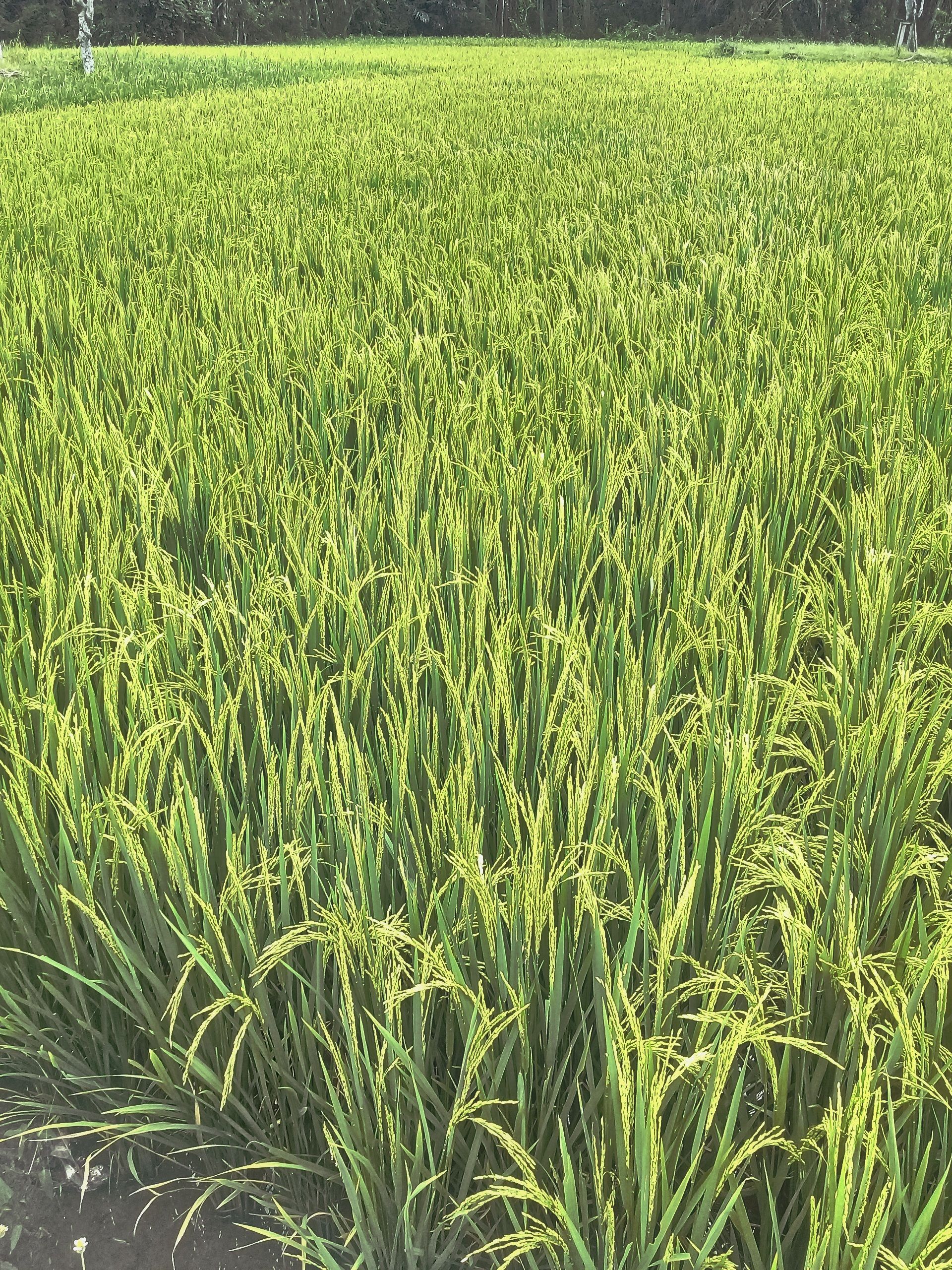
If we swap our metaphor from invasion to cultivation, our whole approach to spiritual renewal shifts. An invasion suggests an outside force breaking in without warning. Cultivation suggests a relationship over time—tending, watering, protecting, and finally harvesting. Jesus’ parables lean heavily on farming. The kingdom is like a mustard seed, leaven in dough, a sower in a field. Each picture assumes process, hiddenness, and eventual fruition. No farmer calls his harvest spontaneous, even if a well-timed rain hurried it along.
This view doesn’t shrink the sovereignty of God. It places human responsibility inside the mystery of divine initiative. The Spirit blows where He wills (John 3:8), but He has chosen to tie His movements to the prayers and obedience of His people. When the church at Antioch was worshiping and fasting, the Holy Spirit spoke (Acts 13:2). Their devotion didn’t yank God around. It positioned them to catch His direction.
Recovering a Vocabulary of Preparation
So what should we call these seasons of heightened spiritual activity? Maybe we need to dust off the language our forebears used: awakening, renewal, refreshing, visitation. Each of those words can carry the sense of continuity with what came before. An awakening hints that something was asleep, not missing. Renewal implies a restoration of old vitality. A refreshing speaks of water poured on a plant already in the ground. Visitation honors the divine initiative but doesn’t erase the preparation of the ones being visited.
In Brownsville, the older generation often talks about “the Lord drawing near.” That phrase catches both the bigness of God and the relational closeness that comes from long seeking. It doesn’t deny the jolt of surprise—God’s ways are past finding out—but it nods toward the prayers and longings that came before the drawing near.
Practical Implications for Today’s Church
If we grab hold of this perspective, a few practical shifts follow. First, we’ll sink our weight into long-term prayer initiatives, not because they force revival but because they line us up with God’s heart. Second, we’ll tell the whole story of historic revivals, including the decades of tiny beginnings. Third, we’ll encourage pastors and lay leaders grinding away in hard places that their hidden work isn’t wasted. Fourth, we’ll fight the urge to hype the work of God, choosing instead a sober, grateful witness.
I’ve seen what happens when a church decides to plow fallow ground without any guarantee of quick results. A depth of character gets formed in those seasons that no event-driven culture can fake. The songs sound different. The prayers carry weight. The preaching is less slick but cuts deeper. And when the rain finally comes—and it does come—the people receive it not as tourists gawking at a spectacle but as farmers welcoming the fruit of their labor.
Conclusion: Honoring the Roots
Let’s be plain: the Spirit of God is free. No formula can force His movement. Yet He has tied Himself to His Word and to His people in a covenant that invites our participation. To call a revival spontaneous is to miss the whole point of the story. It’s like praising the fireworks while ignoring the years of training and chemistry that made them possible. The flash is real, but so is the slow burn that came before it.
As I listen to the old recordings of testimonies from seasons past, I hear a common thread: gratitude for the suddenness of the breakthrough, but even deeper gratitude for the faithfulness that cleared the path. My prayer for our generation is that we’d learn to honor the roots. The God who sent the rain is the same God who held up the plowman. And when the next great awakening comes—whether in Brownsville or somewhere else—may we have the sense to say, “We saw this coming, not because we’re prophets, but because we watched the seeds getting planted year after year in the quiet dirt of faithful hearts.”
Frequently Asked Questions
Why is it so common to hear revivals described as spontaneous?
A lot of it comes down to how news travels. Journalists and even Christian media usually arrive after a revival has grabbed public attention, missing the years of groundwork. Eyewitness accounts naturally spotlight the dramatic moment of breakthrough instead of the long, unseen history of prayer and fasting. The word “spontaneous” also scratches our itch for wonder and divine suddenness, which can be a real part of God’s timing. But a fuller telling shows that what looks sudden is often just the visible tip of a much deeper work.
Does emphasizing preparation mean we can make revival happen on our own?
Hardly. Revival is always a sovereign gift from God. No pile of human effort can manufacture a true awakening. Still, Scripture and church history show that God ordinarily moves through the humble, dogged prayers and obedience of His people. Preparation positions us to receive what only God can give, a bit like tilling soil doesn’t create the seed or the rain but makes the ground ready for growth. The line is between earning revival (impossible) and cultivating ground where revival can take root.
How can my church cultivate the kind of deep roots that lead to revival?
Start with a fresh commitment to prayer that’s less about short-term outcomes and more about closeness with God. Dig into the history of revival in your own community and denomination, pulling up the stories of those who prayed before the breakthroughs. Encourage small groups to pray regularly for spiritual awakening, and teach on the biblical patterns of renewal. Most of all, be patient. Deep roots take time, and the weightiest work usually happens out of sight. Trust that God sees the hidden faithfulness and will bring fruit in His season.