
Your Neighbors Are Running for Office: Meet the Humans Behind the Campaign Signs

The Teacher Who Shows Up at Every Budget Meeting

Maria Santos has been teaching fourth grade at Lincoln Elementary for twelve years, but you might know her better as the woman who stands up during public comment periods with a stack of carefully organized notes. She’s running for city council this year, and her kitchen table campaign headquarters tells you everything you need to know about her approach. Spreadsheets tracking city expenditures cover one half, while graded spelling tests occupy the other.

Your Neighbors Are Running for Office: Meet the Humans Behind the Campaign Signs

“I started paying attention to city budgets when I realized we were spending more on decorative planters downtown than on crossing guards near schools,” Maria explains, pouring coffee from a pot that’s clearly seen many late nights of campaign planning. Her platform centers on practical infrastructure improvements and transparent budget processes. She wants quarterly town halls where department heads explain their spending in plain English, not bureaucratic jargon that makes your eyes glaze over.

What gets me about Maria is how she spots patterns others miss. She points out that the proposed bike lane on Maple Street isn’t just about cycling enthusiasts. It would create a safer route for families walking to the new community garden, reduce traffic congestion near the senior center, and potentially lower insurance costs for the city. She has the receipts to prove it, because Maria Santos always does her homework.

The Small Business Owner Fighting for Fair Development

Tom Rodriguez owns the hardware store on Main Street where locals have bought everything from screws to snow shovels for thirty years. His campaign for mayor started with a simple observation: new developments keep promising to support local businesses, but somehow his customers end up shopping at big box stores in strip malls instead of walking to his shop.

Tom’s not anti-development. He’s pro-smart development. His detailed proposal for the contested Riverside Commons project requires ground-floor retail spaces sized for local businesses, not just chain restaurants. He wants walkable neighborhoods where residents can grab groceries, pick up dry cleaning, and buy a birthday card without getting in their car.

“I’ve watched this town change for three decades,” Tom says, straightening a display of locally-made birdhouses near his store’s entrance. “Change isn’t bad, but we get to choose what kind of change we want.” His vision includes zoning reforms that encourage mixed-use buildings, incentives for local entrepreneurs, and design standards that prioritize people over parking lots.

Tom’s campaign events happen in his store after hours, where neighbors gather between paint cans and garden hoses to discuss housing policy. He serves coffee in mismatched mugs and actually listens when people talk about their concerns. His approach to politics feels refreshingly retail: personal, practical, and focused on solving problems you actually face.

Ballot Measure B: The Parks Tax That’s About More Than Parks

Measure B asks voters to approve a modest property tax increase to fund parks maintenance and expansion. On the surface, it seems straightforward. Look closer and you’ll find a fascinating case study in community priorities and municipal finance.

The measure would generate approximately $400,000 annually, enough to hire two full-time maintenance workers and fund improvements to existing playgrounds. But here’s what makes it interesting: supporters include an unlikely coalition of parents, environmental groups, and local real estate agents who understand that well-maintained parks increase property values for everyone.

Opposition comes mainly from longtime residents on fixed incomes who worry about any tax increase, even a small one. Their concerns make sense. For someone whose property taxes have doubled over the past decade due to rising assessments, even fifty additional dollars per year stings.

The most compelling argument for Measure B isn’t about parks themselves. It’s about what happens when basic city services get deferred year after year. The volunteer group that currently maintains Riverside Park has quietly propped up city efforts for five years. Those volunteers are aging, and younger families lack the time for weekend maintenance projects. Without sustainable funding, the community will face a choice: accept declining public spaces or watch volunteer burnout become someone else’s emergency.

The Unexpected Race for School Board

School board elections usually attract minimal attention, but this year three candidates are competing for two open seats, and their different approaches reveal deeper questions about education priorities. The race pits retired principal Janet Walsh against parent activist Marcus Thompson and recent college graduate Aisha Patel.

Janet brings institutional knowledge that’s hard to replace. She knows which programs actually improve student outcomes versus those that sound good in presentations but fail in practice. Her priority is stabilizing teacher retention by addressing workload issues and providing meaningful professional development.

Marcus entered the race after attending school board meetings during the pandemic and discovering that curriculum decisions often get made without significant parent input. He wants more transparency around textbook selection and better communication between schools and families. His background in project management brings useful skills to budget oversight.

Aisha represents a fresh perspective on persistent challenges. As a recent education graduate who student-taught in diverse settings, she understands current classroom realities. She pushes for mental health support, updated technology resources, and programs that prepare students for careers that don’t require four-year degrees.

All three candidates agree on core issues: they want smaller class sizes, better support for teachers, and improved facilities. Their differences lie in priorities and approaches, making this an election where voters can’t go wrong but their choice will matter.

What Happens After the Signs Come Down

Elections end, but governance continues every Tuesday night in city council chambers, every month in school board meetings, and every day in the countless small decisions that shape community life. The candidates profiled here understand that campaigns are job interviews for positions that require showing up consistently, reading complicated documents, and making difficult decisions with incomplete information.

Your vote matters, but your ongoing engagement matters more. These local officials will face budget crises, angry residents, state mandate changes, and infrastructure emergencies. They’ll need residents who understand the constraints they operate within and the support necessary to make good choices.

Consider this your invitation to stick around after November. Attend a city council meeting. Read the school board agenda. Show up to community forums. Plant some trees on Saturday morning. Democracy works best when it’s a conversation, not a monologue, and your community needs your voice in that ongoing discussion.
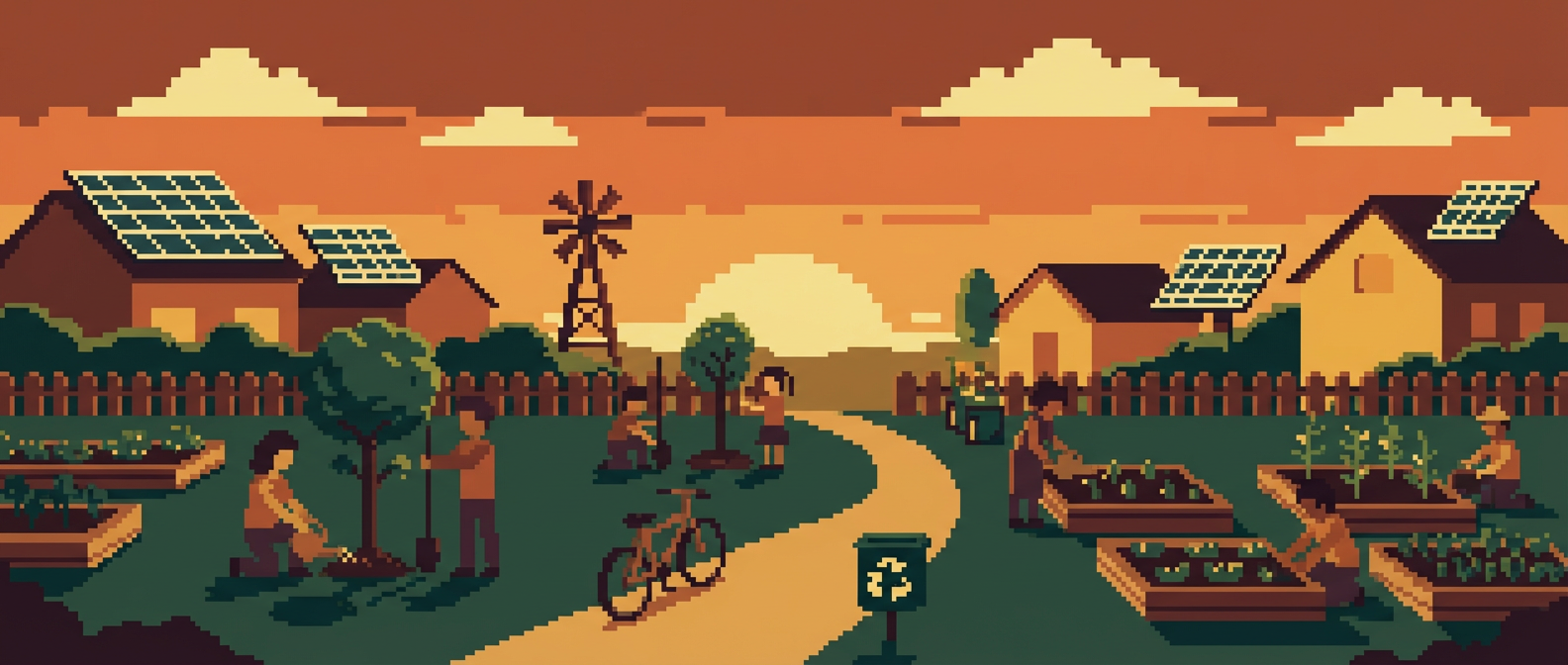

When Neighbors Disagree: What Three Years of Tree Planting Taught Me About Building Coalitions

The Great Maple Controversy of Elm Street

Three years ago, our neighborhood’s request to plant fifteen sugar maples along Elm Street seemed like the easiest win imaginable. Who doesn’t love trees? Yet by the time we held our third community meeting, battle lines had formed that would have made seasoned political operatives proud. On one side: longtime residents who had spent decades nurturing their gardens and worried about root systems disrupting their carefully planned landscapes. On the other: newer families concerned about climate change and property values, armed with studies about urban canopy coverage.

The disagreement wasn’t really about trees. It was about change, control, and whose vision for the neighborhood would prevail. Mrs. Chen had spent twenty years perfecting her prize-winning rose garden and genuinely feared that maple roots would destroy her life’s work. The Martinez family, meanwhile, had moved here specifically because of our community’s stated commitment to environmental initiatives and felt betrayed by what they saw as resistance to progress.

Both sides were right. Both sides were also missing something important about how grassroots organizing actually works when real people with real stakes in the outcome sit across from each other in folding chairs at the community center.

The Mistake We Almost Made

My initial instinct, shared by several other organizers, was to push harder. We had done our homework. The arborist’s report clearly showed that properly spaced sugar maples would not interfere with existing gardens. The city’s climate action plan explicitly called for increased tree coverage. We had thirty-seven signatures supporting the project and only twelve households expressing concerns.

We scheduled another meeting and prepared to present our case more forcefully. We lined up speakers, created handouts, and developed talking points to address every objection. This approach works beautifully when you’re trying to pressure an unresponsive city council or unify people against an external threat. It fails spectacularly when your opponents are your neighbors and you need their ongoing cooperation for everything from snow removal to block parties.

Fortunately, Janet Morrison had been organizing in this community since before I was born, and she pulled me aside after our planning session. “Honey,” she said, “you’re trying to win an argument instead of solving a problem. Those aren’t the same thing.” She was right. We were treating symptoms instead of addressing the underlying tension about how decisions get made in our neighborhood.

What Actually Changed Everything

Instead of another presentation meeting, we organized a walking tour. Everyone who cared about the tree issue was invited to spend Saturday morning walking Elm Street together, looking at each proposed planting location and talking through specific concerns on the spot. Mrs. Chen could point to exactly where she worried about root interference. The Martinez family could show everyone the stark difference between our street and the tree-lined blocks two neighborhoods over.

Standing next to the actual locations, several things became clear that had been lost in meeting room abstractions. Mrs. Chen’s garden was indeed vulnerable, but only at two of the fifteen proposed sites. The Martinez family’s concerns about heat islands were most pressing in front of the houses with small children and elderly residents. The underground utility maps that looked so clear on paper revealed complications that none of us had fully understood from our community center discussions.

More importantly, people started talking to each other instead of past each other. Mrs. Chen had ideas about native species that would provide shade without extensive root systems. The Martinez family offered to help maintain any new plantings and had connections to bulk purchasing through the environmental group at their workplace. Three residents who had been silent during meetings turned out to have strong opinions about tree placement that significantly improved our final plan.

The Infrastructure of Ongoing Disagreement

We planted twelve trees that fall, in locations chosen through genuine consensus. But the larger lesson had nothing to do with maples and everything to do with the structures that either enable or prevent productive disagreement in communities. Disagreement isn’t a problem to be solved. It’s information to be processed and a resource to be managed.

The residents who opposed our original plan weren’t obstacles to overcome. They were people with different priorities, different experiences, and different knowledge about our shared space. Mrs. Chen knew things about soil drainage and seasonal sun patterns that none of us tree enthusiasts had considered. The concerns raised by residents worried about maintenance costs forced us to think more seriously about long-term sustainability and to build partnerships with local environmental groups.

Most grassroots organizing advice focuses on building coalitions among people who already agree about solutions. But neighborhood-level organizing requires building coalitions among people who may disagree about everything except their shared stake in the outcome. This demands different skills and different assumptions about what success looks like.

What Sticks and What Doesn’t

Two years later, our tree committee still exists and our trees are thriving. More importantly, we’ve used the same walking-tour approach to address three other neighborhood issues: the playground renovation, the community garden expansion, and the ongoing saga of the broken streetlight on Pine Avenue. Each time, we’ve discovered that bringing people to the actual physical space where problems exist transforms abstract disagreements into concrete problem-solving sessions.

We’ve also learned that some disagreements can’t be resolved through better process or more information. The fundamental tension between long-term residents and newcomers, between people with different economic pressures, between different visions of what community means, these aren’t problems with solutions. They’re ongoing realities that require ongoing management.

The most successful neighborhood organizing acknowledges these tensions instead of trying to wish them away. Our tree committee includes both Mrs. Chen and the Martinez family, and they still disagree about plenty of things. But they’ve learned to disagree productively, and more importantly, they’ve learned that disagreement doesn’t have to prevent collaboration.

If you’ve been thinking about getting more involved in your own neighborhood, start with something concrete and specific. Walk around. Talk to people who see things differently than you do. Don’t try to win them over, try to understand what they’re seeing that you’re not. And remember that the goal isn’t to eliminate disagreement. It’s to build structures that can hold disagreement without breaking apart.

When Neighbors Disagree: What Three Years of Tree Planting Taught Me About Building Coalitions

The Great Maple Controversy of Elm Street

Three years ago, our neighborhood’s request to plant fifteen sugar maples along Elm Street seemed like the easiest win imaginable. Who doesn’t love trees? Yet by the time we held our third community meeting, battle lines had formed that would have made seasoned political operatives proud. On one side: longtime residents who had spent decades nurturing their gardens and worried about root systems disrupting their carefully planned landscapes. On the other: newer families concerned about climate change and property values, armed with studies about urban canopy coverage.

The disagreement wasn’t really about trees. It was about change, control, and whose vision for the neighborhood would prevail. Mrs. Chen had spent twenty years perfecting her prize-winning rose garden and genuinely feared that maple roots would destroy her life’s work. The Martinez family, meanwhile, had moved here specifically because of our community’s stated commitment to environmental initiatives and felt betrayed by what they saw as resistance to progress.

Both sides were right. Both sides were also missing something important about how grassroots organizing actually works when real people with real stakes in the outcome sit across from each other in folding chairs at the community center.

The Mistake We Almost Made

My initial instinct, shared by several other organizers, was to push harder. We had done our homework. The arborist’s report clearly showed that properly spaced sugar maples would not interfere with existing gardens. The city’s climate action plan explicitly called for increased tree coverage. We had thirty-seven signatures supporting the project and only twelve households expressing concerns.

We scheduled another meeting and prepared to present our case more forcefully. We lined up speakers, created handouts, and developed talking points to address every objection. This approach works beautifully when you’re trying to pressure an unresponsive city council or unify people against an external threat. It fails spectacularly when your opponents are your neighbors and you need their ongoing cooperation for everything from snow removal to block parties.

Fortunately, Janet Morrison had been organizing in this community since before I was born, and she pulled me aside after our planning session. “Honey,” she said, “you’re trying to win an argument instead of solving a problem. Those aren’t the same thing.” She was right. We were treating symptoms instead of addressing the underlying tension about how decisions get made in our neighborhood.

What Actually Changed Everything

Instead of another presentation meeting, we organized a walking tour. Everyone who cared about the tree issue was invited to spend Saturday morning walking Elm Street together, looking at each proposed planting location and talking through specific concerns on the spot. Mrs. Chen could point to exactly where she worried about root interference. The Martinez family could show everyone the stark difference between our street and the tree-lined blocks two neighborhoods over.

Standing next to the actual locations, several things became clear that had been lost in meeting room abstractions. Mrs. Chen’s garden was indeed vulnerable, but only at two of the fifteen proposed sites. The Martinez family’s concerns about heat islands were most acute in front of the houses with small children and elderly residents. The underground utility maps that looked so clear on paper revealed complications that none of us had fully understood from our community center discussions.

More importantly, people started talking to each other instead of past each other. Mrs. Chen had ideas about native species that would provide shade without extensive root systems. The Martinez family offered to help maintain any new plantings and had connections to bulk purchasing through the environmental group at their workplace. Three residents who had been silent during meetings turned out to have strong opinions about tree placement that significantly improved our final plan.

The Infrastructure of Ongoing Disagreement

We planted twelve trees that fall, in locations chosen through genuine consensus. But the larger lesson had nothing to do with maples and everything to do with the structures that either enable or prevent productive disagreement in communities. Disagreement isn’t a problem to be solved. It’s information to be processed and a resource to be managed.

The residents who opposed our original plan weren’t obstacles to overcome. They were people with different priorities, different experiences, and different knowledge about our shared space. Mrs. Chen knew things about soil drainage and seasonal sun patterns that none of us tree enthusiasts had considered. The concerns raised by residents worried about maintenance costs forced us to think more seriously about long-term sustainability and to build partnerships with local environmental groups.

Most grassroots organizing advice focuses on building coalitions among people who already agree about solutions. But neighborhood organizing requires building coalitions among people who may disagree about everything except their shared stake in the outcome. This demands different skills and different assumptions about what success looks like.

What Sticks and What Doesn’t

Two years later, our tree committee still exists and our trees are thriving. More importantly, we’ve used the same walking-tour approach to address three other neighborhood issues: the playground renovation, the community garden expansion, and the ongoing saga of the broken streetlight on Pine Avenue. Each time, we’ve discovered that bringing people to the actual physical space where problems exist transforms abstract disagreements into concrete problem-solving sessions.

We’ve also learned that some disagreements can’t be resolved through better process or more information. The fundamental tension between long-term residents and newcomers, between people with different economic pressures, between different visions of what community means? These aren’t problems with solutions. They’re ongoing realities that require ongoing management.

The most successful neighborhood organizing acknowledges these tensions instead of trying to wish them away. Our tree committee includes both Mrs. Chen and the Martinez family, and they still disagree about plenty of things. But they’ve learned to disagree productively, and more importantly, they’ve learned that disagreement doesn’t have to prevent collaboration.

If you’ve been thinking about getting more involved in your own neighborhood, start with something concrete and specific. Walk around. Talk to people who see things differently than you do. Don’t try to win them over, try to understand what they’re seeing that you’re not. And remember that the goal isn’t to eliminate disagreement. It’s to build structures that can hold disagreement without breaking apart.

The Quiet Heroes Making Your Morning Commute Possible

Maria’s Daily Dance with Traffic Signals

Every morning at 7:23 AM, Maria Gonzalez pulls out of her driveway on Maple Street and begins a carefully choreographed dance with the city’s traffic management system. She doesn’t know that three months ago, the city council voted 4-3 to approve a $180,000 upgrade to the adaptive traffic signal system along her route to work. She just knows that somehow, mysteriously, her commute got three minutes faster.

Maria works as a respiratory therapist at Regional Medical Center, and those three minutes matter more than you might think. They mean she can drop her daughter Sofia at daycare without rushing, can grab that second cup of coffee, can arrive at work feeling centered rather than frazzled before a twelve-hour shift caring for patients who can barely breathe. The city council members who voted for that signal upgrade probably don’t know Maria exists, but their decision touches her life twice every single day.

Good local government is beautiful precisely because it’s invisible. When traffic flows smoothly, when water comes out of taps clean and cold, when streetlights flicker on at dusk, we hardly notice. It’s only when these systems fail that we remember how much we depend on the quiet competence of people we’ll never meet, making decisions in fluorescent-lit conference rooms while most of us sleep.

The Mathematics of Snow Removal

Tom Bradley has been managing the city’s Public Works Department for fourteen years, and he can tell you exactly how many tons of road salt sit in the municipal garage right now (847 tons, in case you’re wondering). Last Tuesday’s council meeting included a twenty-minute discussion about whether to increase the snow removal budget by $45,000. To most residents watching on cable access, it seemed like bureaucratic tedium. To Tom, it represented the difference between clearing residential streets in six hours versus ten.

The math might sound boring, but it’s deeply human. Those four extra hours mean Janet Morrison, who uses a wheelchair, can get to her dialysis appointment without wondering whether her street will be passable. They mean the Patel family’s corner store stays open during storms because customers can actually reach them. They mean emergency vehicles can navigate every neighborhood, not just the main arterials.

Tom knows these stories because he pays attention to the calls that come into his department after every storm. He keeps a mental map of which streets flood first during heavy rains, which sidewalks become impassable sheets of ice, which intersections turn into skating rinks. When he presents budget requests to the council, he’s not just talking about salt and snowplows. He’s talking about Mrs. Chen’s ability to get to the pharmacy, about whether the kid who delivers groceries for minimum wage plus tips can safely make his rounds.

The Woman Who Counts Every Tree

Drive through Riverside Park on any given afternoon and you’ll likely see families pushing strollers along tree-lined paths, teenagers playing pickup basketball, elderly couples feeding ducks at the pond. What you won’t see is Linda Harper, the city’s Parks and Recreation coordinator, who knows the health status of every one of the park’s 342 trees.

Six months ago, Linda stood before the city council holding a thick folder of photographs and maintenance reports. She was requesting $28,000 to remove eighteen diseased oak trees and plant twenty-four new saplings. The discussion lasted eight minutes. The vote was unanimous. But those eight minutes represented months of Linda walking the park’s perimeter, consulting with arborists, researching which species would thrive in the city’s changing climate.

The families who picnic under healthy branches this summer will never know about those diseased trees that could have crashed down during a storm. They’ll never know that Linda specifically chose sugar maples for the playground area because their roots won’t buckle the surrounding sidewalks in fifteen years. They’ll just know that the park feels safe, that shade appears where you need it, that the place their children learn to ride bikes is somehow exactly as a park should be.

This is what makes Linda’s work and people like her throughout city government so remarkable. They think in decades while solving problems that matter today. The trees she plants now will shelter families not yet born. The playground equipment she inspects this week ensures that next week’s birthday parties happen without emergency room visits.

Where Democracy Happens on a Tuesday Night

The Northside Community Center hosts city council meetings twice monthly in a room that smells faintly of coffee and floor wax. The acoustics are terrible, the fluorescent lights buzz intermittently, and the folding chairs haven’t been comfortable since 1987. It’s not exactly democracy’s most glamorous venue, but it’s where your daily life gets decided, one agenda item at a time.

Last month’s meeting agenda included approving a crosswalk installation at Fifth and Grove (requested by parents after three near-misses during school hours), adjusting the hours for the community recycling center (after complaints that working families couldn’t access it), and authorizing repairs to the water main under Elm Street (before it becomes a sinkhole). Each item received about ten minutes of discussion. Each decision will ripple through hundreds of lives.

What’s remarkable isn’t that local government occasionally makes mistakes or moves slowly. What’s remarkable is that it works as well as it does, that thousands of daily interactions between citizens and infrastructure happen smoothly because people like Maria and Tom and Linda show up, pay attention, and care about details that never make headlines.

Next time you flip a light switch or turn on a faucet, next time you drive through a green light without stopping or walk safely across a busy street, remember that someone, somewhere, made a decision that made that moment possible. Democracy isn’t just about voting every few years. It’s about showing up to those Tuesday night meetings where your neighbors decide how to spend your tax dollars on the things that matter most: the daily, unremarkable miracles that let us live together in something resembling harmony.

The Quiet Heroes Making Your Morning Commute Possible

Maria’s Daily Dance with Traffic Signals

Every morning at 7:23 AM, Maria Gonzalez pulls out of her driveway on Maple Street and begins a carefully choreographed dance with the city’s traffic management system. She doesn’t know that three months ago, the city council voted 4-3 to approve a $180,000 upgrade to the adaptive traffic signal system along her route to work. She just knows that somehow, mysteriously, her commute got three minutes faster.

Maria works as a respiratory therapist at Regional Medical Center, and those three minutes matter more than you might think. They mean she can drop her daughter Sofia at daycare without rushing, can grab that second cup of coffee, can arrive at work feeling centered rather than frazzled before a twelve-hour shift caring for patients who can barely breathe. The city council members who voted for that signal upgrade probably don’t know Maria exists, but their decision touches her life twice every single day.

The beauty of good local government is this invisibility. When traffic flows smoothly, when water comes out of taps clean and cold, when streetlights flicker on at dusk, we hardly notice. It’s only when these systems fail that we remember how much we depend on the quiet competence of people we’ll never meet, making decisions in fluorescent-lit conference rooms while most of us sleep.

The Mathematics of Snow Removal

Tom Bradley has been managing the city’s Public Works Department for fourteen years, and he can tell you exactly how many tons of road salt sit in the municipal garage right now (847 tons, in case you’re wondering). Last Tuesday’s council meeting included a twenty-minute discussion about whether to increase the snow removal budget by $45,000. To most residents watching on cable access, it seemed like bureaucratic tedium. To Tom, it meant the difference between clearing residential streets in six hours versus ten.

The math might sound boring, but it’s profoundly human. Those four extra hours mean Janet Morrison, who uses a wheelchair, can get to her dialysis appointment without wondering whether her street will be passable. They mean the Patel family’s corner store stays open during storms because customers can actually reach them. They mean emergency vehicles can navigate every neighborhood, not just the main arterials.

Tom knows these stories because he pays attention to the calls that come into his department after every storm. He keeps a mental map of which streets flood first during heavy rains, which sidewalks become impassable sheets of ice, which intersections turn into skating rinks. When he presents budget requests to the council, he’s not just talking about salt and snowplows. He’s talking about Mrs. Chen’s ability to get to the pharmacy, about whether the kid who delivers groceries for minimum wage plus tips can safely make his rounds.

The Woman Who Counts Every Tree

Drive through Riverside Park on any given afternoon and you’ll likely see families pushing strollers along tree-lined paths, teenagers playing pickup basketball, elderly couples feeding ducks at the pond. What you won’t see is Linda Harper, the city’s Parks and Recreation coordinator, who knows the health status of every one of the park’s 342 trees.

Six months ago, Linda stood before the city council holding a thick folder of photographs and maintenance reports. She was requesting $28,000 to remove eighteen diseased oak trees and plant twenty-four new saplings. The discussion lasted eight minutes. The vote was unanimous. But those eight minutes meant months of Linda walking the park’s perimeter, consulting with arborists, researching which species would thrive in the city’s changing climate.

The families who picnic under healthy branches this summer will never know about those diseased trees that could have crashed down during a storm. They’ll never know that Linda specifically chose sugar maples for the playground area because their roots won’t buckle the surrounding sidewalks in fifteen years. They’ll just know that the park feels safe, that shade appears where you need it, that the place their children learn to ride bikes is somehow exactly as a park should be.

This is the particular genius of Linda’s work and people like her throughout city government. They think in decades while solving problems that matter today. The trees she plants now will shelter families not yet born. The playground equipment she inspects this week makes sure that next week’s birthday parties happen without emergency room visits.

Where Democracy Happens on a Tuesday Night

The Northside Community Center hosts city council meetings twice monthly in a room that smells faintly of coffee and floor wax. The acoustics are terrible, the fluorescent lights buzz intermittently, and the folding chairs haven’t been comfortable since 1987. It’s not exactly democracy’s most glamorous venue, but it’s where your daily life gets decided, one agenda item at a time.

Last month’s meeting agenda included approving a crosswalk installation at Fifth and Grove (requested by parents after three near-misses during school hours), adjusting the hours for the community recycling center (after complaints that working families couldn’t access it), and authorizing repairs to the water main under Elm Street (before it becomes a sinkhole). Each item got about ten minutes of discussion. Each decision will ripple through hundreds of lives.

The remarkable thing isn’t that local government occasionally makes mistakes or moves slowly. The remarkable thing is that it works as well as it does, that thousands of daily interactions between citizens and infrastructure happen smoothly because people like Maria and Tom and Linda show up, pay attention, and care about details that never make headlines.

Next time you flip a light switch or turn on a faucet, next time you drive through a green light without stopping or walk safely across a busy street, remember that someone, somewhere, made a decision that made that moment possible. Democracy isn’t just about voting every few years. It’s about showing up to those Tuesday night meetings where your neighbors decide how to spend your tax dollars on the things that matter most: the daily, unremarkable miracles that let us live together in something like harmony.

Your Neighborhood’s Hidden Resource Network: How to Find and Share What Your Community Really Needs

The Resource Map Already Exists (You Just Haven’t Found It Yet)

Last month, my neighbor Maria mentioned she needed a crib for her new granddaughter but couldn’t afford one right now. Three houses down, the Johnsons had just stored their youngest child’s crib in the garage, wondering if they should donate it somewhere. They lived on the same block for two years and had never connected these dots. This is the resource puzzle happening in every neighborhood: abundance sitting unused while people go without, simply because we don’t have systems to see what’s already here.

Your community has more resources than you realize. The challenge isn’t scarcity but visibility and connection. Between community centers with meeting rooms that sit empty on weekdays, residents with pickup trucks who wouldn’t mind helping someone move, and people with professional skills they’d gladly share, most neighborhoods are resource-rich but information-poor. The trick is creating simple ways for people to find each other and what they need.

Start by mapping what’s already happening. Check your local library’s bulletin board, scan Facebook neighborhood groups, and ask at community centers about existing resource-sharing initiatives. Many communities have informal networks that work through word-of-mouth, parent groups, or religious congregations. Understanding these existing pathways helps you build connections rather than competing systems.

Building Your Local Resource Database (Start Small, Think Big)

The most effective resource networks begin with one person taking inventory of their immediate circle. Create a simple spreadsheet or shared document listing what people in your building, block, or immediate neighborhood might be willing to share, lend, or teach. Include categories like tools and equipment, transportation assistance, skills and services, and childcare or pet care. Don’t overthink the technology. A shared Google doc or even a group text can work better than a complicated app nobody uses.

Focus on the resources that create the biggest impact with the least complexity. Tools and equipment top this list because they’re expensive to buy, used infrequently, and easy to share safely. A single neighborhood might have multiple power drills, pressure washers, and carpet cleaners sitting unused most of the time. Skill-sharing comes next. Your block probably includes teachers, mechanics, accountants, gardeners, and other professionals who might enjoy helping neighbors with small projects in exchange for building community connections.

Transportation resources deserve special attention because they solve immediate, high-stress problems. Knowing who has a pickup truck, trailer, or van available for borrowing or hiring locally can save neighbors hundreds in moving costs or emergency trips. Include people willing to provide rides to medical appointments, grocery stores, or other essential locations. This becomes especially important for elderly neighbors or families with limited transportation options.

Creating Sustainable Sharing Systems

The difference between resource sharing that fizzles out after a few months and networks that grow stronger over time lies in creating simple, fair systems that don’t burn out your most generous neighbors. Establish clear boundaries upfront about what people are comfortable sharing, when, and under what circumstances. Some neighbors happily lend tools but prefer advance notice. Others might offer rides but only within certain hours or distances. Respecting these boundaries keeps the system working for everyone.

Consider implementing a simple credit or reciprocity system. This doesn’t have to involve money, but it should acknowledge that some community members contribute more than others. Time banks work well for service exchanges, where an hour of tutoring equals an hour of gardening help. For physical resources, consider a borrowing library model where people contribute items they’re willing to share and can borrow equivalent value from others’ contributions.

Address the coordination challenge head-on. Successful resource networks need at least one person willing to act as a connector or coordinator, but this role should rotate to prevent burnout. Create systems that work even when the main organizer is unavailable. Simple group messaging, shared calendars, and clear communication about who currently has what borrowed items keep things running smoothly without creating administrative burden.

Filling the Gaps: When Community Resources Aren’t Enough

Honest resource mapping reveals where community sharing falls short and outside support becomes necessary. Food insecurity, housing instability, and medical needs often require resources beyond what neighbors can provide through informal sharing. Document these gaps alongside your resource inventory. This information becomes valuable for connecting with larger mutual aid organizations, applying for community grants, or advocating for expanded local services.

Connect your neighborhood network to wider mutual aid systems in your city or region. Most areas have established organizations focused on specific needs like emergency financial assistance, food distribution, or crisis support. Your local resource network can act as a bridge, helping neighbors access these larger systems while providing the kind of immediate, personal assistance that bigger organizations can’t always deliver.

Partner strategically with local institutions that have resources but limited community connections. Libraries, community colleges, faith communities, and even some businesses have meeting spaces, equipment, or expertise they might share with neighborhood resource networks. Approach these conversations with specific proposals about mutual benefit rather than just asking for donations or space.

Growing From Neighborhood to Movement

As your local resource network gains momentum, you’ll start seeing opportunities to connect with similar efforts in nearby neighborhoods or around specific issues like child care, elder support, or emergency preparedness. These connections transform individual resource sharing into larger mutual aid networks that can handle bigger challenges and support more people effectively.

Document what works and what doesn’t in your resource-sharing experiments. Other neighborhoods face similar challenges, and your experience becomes valuable to people starting their own networks. Share templates, communication strategies, and coordination tools that proved effective. This kind of practical knowledge-sharing helps mutual aid efforts spread and improve over time.

Resource sharing changes how people think about their neighborhoods and their role in community resilience. When neighbors know they can borrow tools, get help with computer problems, or find a ride to the doctor through their local network, they’re more likely to offer their own resources and skills to others. This creates positive cycles where community connection and resource sharing reinforce each other, building stronger neighborhoods that can weather both everyday challenges and larger crises.

If you’re ready to start mapping resources in your area, begin with one simple conversation this week. Ask a neighbor what they wish they could borrow or share, then see who else might help make that connection happen. Small starts lead to bigger networks, and every community has more abundance than it realizes.

Your Complete Guide to Fighting for Affordable Housing in Your Community

Start With What You Can See: Mapping Your Local Housing Landscape

Before you can advocate for affordable housing, you need to understand exactly what you’re working with in your community. This means spending some quality time with data that most people never look at, but I promise it’s more interesting than it sounds. Start by pulling up your city’s comprehensive plan and zoning maps, usually available on the municipal website under “Planning” or “Development.” These documents show where affordable housing is actually allowed to be built and where it isn’t.

Next, dig into your local housing authority’s annual report and any recent housing studies commissioned by your city or county. These reports contain gold mines of information about waiting list lengths, average rent burdens, and demographic breakdowns of who’s struggling most. I keep a simple spreadsheet tracking key numbers from year to year, which makes it easy to spot trends and arm yourself with specific facts when you’re talking to elected officials.

Don’t overlook the power of walking around your own neighborhood with fresh eyes. Notice “For Rent” signs and jot down the asking prices, then compare them to local median income data. Document vacant lots that could house people, and buildings that appear abandoned or underused. This ground-level intelligence becomes incredibly valuable when you’re making the case for specific policy changes.

Know Your Policy Tools: The Levers You Can Actually Pull

Housing advocacy feels overwhelming until you realize there are really only a handful of policy levers that make a real difference, and most of them are controlled at the local level where your voice carries more weight. Inclusionary zoning is probably the most powerful tool in the toolkit. This policy requires or incentivizes developers to include affordable units in new market-rate developments. If your city doesn’t have inclusionary zoning, that’s your starting point.

Tenant protection ordinances represent another high-impact area where local advocacy can win real victories. Just cause eviction protection, rent stabilization, and mandatory relocation assistance for no-fault evictions can dramatically improve housing security for existing residents. These policies often face fierce opposition from landlord groups, but they’re also where you’ll find some of your strongest potential allies among current tenants who are directly affected.

Housing trust funds and affordable housing preservation programs tackle the problem from the supply side. These mechanisms allow cities to capture revenue from various sources and direct it specifically toward creating and maintaining affordable housing. Some cities fund these through real estate transfer taxes, others through developer fees, and some through general fund allocations. The specific funding mechanism matters less than having a dedicated, predictable revenue stream.

Build Your Coalition: Finding Your People and Growing Your Power

Housing advocacy is never a solo project, and the strongest coalitions bring together people whose interests align even when their backgrounds differ significantly. Start by connecting with existing tenant organizations in your area, even if they’re focused on specific buildings or neighborhoods rather than citywide policy. These groups have deep experience with the practical realities of housing insecurity and can offer invaluable guidance on what policies actually matter to people facing displacement pressure.

Faith communities often become unexpected allies in housing advocacy because many religious traditions emphasize caring for the vulnerable, and congregations see firsthand how housing instability affects their members and neighbors. Approach faith leaders with specific, concrete ways their communities can get involved rather than asking for vague support. Maybe that’s hosting a housing forum, maybe it’s offering meeting space, or maybe it’s organizing congregants to attend city council meetings.

Labor unions, particularly those representing service workers, teachers, and other public employees, have strong interests in affordable housing since their members often struggle with housing costs despite having steady employment. Building trades unions can be trickier allies since they sometimes prioritize construction jobs over affordability requirements, but finding common ground around prevailing wage standards for affordable housing projects can create win-win scenarios.

Don’t overlook business owners, especially small business owners who worry about employees being priced out of the community. Restaurant owners, retail managers, and service business operators often become strong housing advocates once they understand how housing costs affect their ability to attract and retain workers.

Master the Process: Working the System That Actually Exists

City council meetings can feel intimidating and bureaucratic, but they’re where housing policy actually gets made, and understanding the rhythm of municipal decision-making gives you significant strategic advantages. Most cities operate on predictable annual cycles for budget decisions, comprehensive plan updates, and zoning changes. Learn these cycles and plan your advocacy accordingly rather than showing up with urgent demands at random moments.

Public comment periods are your most direct opportunity to influence elected officials, but public comment requires more strategy than just showing up and speaking from the heart. Arrive early to sign up for public comment, bring written copies of your remarks for council members, and focus on one specific ask rather than trying to cover everything. Three minutes goes by incredibly quickly, so practice your remarks beforehand and time yourself.

Committee meetings and study sessions often provide better opportunities for substantive dialogue with elected officials than formal council meetings. These smaller settings allow for back-and-forth conversation and detailed policy discussion. Follow the agendas closely and attend meetings where housing-related items will be discussed, even if they’re not the main focus.

Building relationships with key staff members in planning, housing, and community development departments can be just as important as connecting with elected officials. These are the people who draft policy proposals, conduct research, and provide technical assistance to council members. They often have significant influence on how policies are structured and implemented.

Sustain Your Efforts: Playing the Long Game

Housing advocacy requires patience and persistence because policy changes typically take years to implement and additional years to show measurable results. This timeline can feel frustrating when people are facing displacement right now, but understanding it helps you set realistic expectations and celebrate incremental victories along the way. Keep detailed records of your advocacy efforts, including meeting notes, email exchanges, and policy proposals, so you can track progress over time and hand off institutional knowledge to new volunteers.

Burnout is a real risk in housing advocacy because the need feels so urgent and the obstacles can seem insurmountable. Build sustainability into your advocacy practice by focusing on systems change rather than trying to solve individual housing crises, though connecting policy advocacy to specific stories of affected community members keeps the work grounded and compelling. Share responsibilities among multiple people, take breaks when you need them, and celebrate small wins as stepping stones toward larger goals.

The most successful housing advocates I know treat this work like a marathon rather than a sprint, building expertise and relationships over months and years rather than expecting immediate dramatic changes. They also stay connected to the broader movement for housing justice happening in communities across the country, learning from successful campaigns elsewhere and adapting proven strategies to their local contexts. If you’re ready to dive deeper into this work, consider connecting with other advocates in your area who are already engaged in these efforts, and don’t hesitate to reach out if you want to brainstorm strategies specific to your community’s housing challenges.

Why Our Neighborhood’s Air Quality Fight Isn’t Really About Air Quality

The Numbers Tell One Story, The Meetings Tell Another

Last Tuesday’s city council meeting ran until nearly midnight, and if you weren’t there, you missed something important happening in our community. The agenda item seemed straightforward enough: approve additional air quality monitoring stations near the industrial corridor along Highway 9. What unfolded instead was a three-hour discussion that revealed deep fractures in how we think about environmental protection, economic development, and who gets to make decisions about both.

Why Our Neighborhood's Air Quality Fight Isn't Really About Air Quality
Why Our Neighborhood’s Air Quality Fight Isn’t Really About Air Quality

The immediate dispute is about PM2.5 readings that consistently spike above EPA guidelines in the Riverside and Oakmont neighborhoods, particularly during summer months when thermal inversions trap pollutants. Environmental advocates, led by the Clean Air Coalition, presented data showing these readings correlate with increased asthma hospitalizations at Valley Medical Center. The Chamber of Commerce pushed back, arguing that expanded monitoring could trigger regulatory reviews that might force businesses to relocate, potentially eliminating 1,200 local jobs.

But I’ve been to four community meetings now and read through 200 pages of public comments. This fight runs much deeper than particulate matter measurements. We’re really arguing about whose expertise counts, whose economic needs matter most, and whether our city’s environmental policies should prioritize immediate economic stability or long-term public health. These are legitimate disagreements, and honestly, they deserve more thoughtful discussion than they’re getting.

Illustration for Why Our Neighborhood's Air Quality Fight Isn't Really About Air Quality
Illustration for Why Our Neighborhood’s Air Quality Fight Isn’t Really About Air Quality

When Data Becomes a Weapon Instead of a Tool

Both sides arrived at Tuesday’s meeting armed with studies, but they might as well have been speaking different languages. Dr. Sarah Chen from the university’s environmental health program presented peer-reviewed research linking PM2.5 exposure to childhood respiratory problems. Economic development director Mark Rodriguez countered with a consultant’s report questioning whether local emissions or regional wildfire smoke drives the pollution spikes.

Here’s the thing: one dataset isn’t necessarily right and the other wrong. The problem is that we’ve created a civic environment where scientific evidence gets used as ammunition rather than actually examined. Residents in affected neighborhoods feel dismissed when officials question whether their children’s breathing problems really stem from local air quality. Business owners feel like villains when advocates suggest their operations prioritize profits over public health. City staff get caught between state environmental mandates and local economic pressures that are genuinely difficult to balance.

This reflects a bigger challenge in environmental justice work: technical solutions often require political consensus that doesn’t exist. Installing more monitoring stations costs about $80,000 annually and might generate data that triggers expensive compliance requirements. But skipping them means continuing to operate with incomplete information about a problem that hits our lowest-income neighborhoods hardest.

The Geography of Disagreement

Map Tuesday’s public comments by neighborhood, and a clear pattern emerges. Riverside and Oakmont residents overwhelmingly support expanded monitoring. Speakers from Hillcrest and downtown areas worry about economic impacts. This isn’t random or pure self-interest. It reflects the reality that environmental burdens and economic benefits rarely distribute evenly across our community.

The industrial corridor generates significant tax revenue that funds city services everyone uses, from parks maintenance to library programs. But the health costs from air pollution hit neighborhoods where housing prices make it impossible for many families to simply move somewhere with cleaner air. Councilmember Janet Morrison nailed it when she noted that “we’re essentially asking some residents to subsidize everyone else’s quality of life with their lung capacity.”

Business owners along the corridor aren’t environmental villains plotting to poison their neighbors, though. Many have invested heavily in cleaner technologies and genuinely worry that additional regulations could force them to relocate operations to areas with less stringent oversight. Auto shop owner Carlos Mendez pointed out that his family has lived in Riverside for thirty years: “I’m not trying to hurt my own community, but I also can’t afford to move my business to comply with rules that might shut me down.”

Building Bridges Instead of Battle Lines

The most productive moment in Tuesday’s marathon session came when resident Maria Santos suggested forming a working group that includes both affected neighbors and local business owners. Her proposal recognizes that sustainable solutions require understanding everyone’s constraints and concerns, not just winning political battles.

Several cities facing similar challenges have found success with collaborative approaches that address both environmental and economic concerns simultaneously. Portland’s Green Streets program helped industrial businesses reduce emissions while accessing tax incentives for clean technology upgrades. Denver’s community-based monitoring initiative trains residents to collect air quality data themselves, building technical capacity while reducing costs to the city.

A local version might look like this: start with a six-month pilot program that places temporary monitoring stations in three locations while simultaneously offering technical assistance grants to help small businesses identify cost-effective emission reductions. Pair this with monthly community meetings where residents and business owners review data together and discuss practical solutions. The key is creating space for genuine problem-solving rather than just position-taking.

What Happens Next Actually Matters

The city council postponed their vote for two weeks, which creates an opportunity for more thoughtful community conversation. But that will only happen if residents from all parts of our city engage constructively rather than retreating to separate corners to nurse grievances.

This Saturday, the Clean Air Coalition is hosting a “data walk” through affected neighborhoods at 9 AM, starting at Riverside Park. Business owners and residents are both invited to see air quality monitoring in action and discuss concerns in a less charged setting than city hall. The following Thursday, the Chamber of Commerce is organizing a roundtable discussion about balancing environmental protection with economic development, open to anyone interested in exploring practical solutions.

Environmental justice isn’t just about achieving perfect air quality readings. It’s about building a community where everyone’s health matters and everyone’s economic security has value. That requires moving beyond the assumption that protecting the environment and supporting local businesses are inherently opposing goals. If you care about either issue, your voice is needed in these conversations. Come curious rather than certain, and let’s figure out what’s actually possible when we work together instead of past each other.

When School Board Meetings Run Until Midnight: Why Civic Participation Feels Impossible for Working Families

The Tuesday Night Dilemma

Last Tuesday, I watched the Riverside Elementary PTA president resign during the public comment period of our school board meeting. She stood at the podium at 11:47 PM, her voice steady but exhausted, explaining that she simply could not continue advocating for her children’s education while working full-time and managing a household. The meeting had started at 7 PM with a packed agenda, and by the time parents could speak about the proposed budget cuts to art and music programs, most families had already gone home to relieve babysitters and help with homework.

This scene plays out across communities nationwide, creating a fundamental tension in local democracy. The families most affected by municipal decisions are often the least able to participate in the processes that make those decisions. When city council meetings stretch past bedtime, when planning commission hearings happen during work hours, and when public comment periods come at the end of marathon sessions, we systematically exclude the voices of working parents, shift workers, and anyone juggling multiple responsibilities.

The irony cuts deep. These families depend most heavily on public services like schools, parks, and community programs. Yet our current civic engagement systems assume that concerned citizens have unlimited evening availability and can arrange childcare at a moment’s notice.

The Time Trap: When Democracy Demands What Families Cannot Give

Municipal governments face their own structural constraints that make this problem more complex than simple scheduling conflicts. Board members and elected officials are often volunteers themselves, squeezing civic duties around their own work schedules. Many serve on multiple committees, attend regional meetings, and review hundreds of pages of materials between sessions. The complexity of municipal finance, zoning law, and state regulations means that abbreviated meetings often result in poorly informed decisions or important items being tabled indefinitely.

Consider the recent debate over our city’s affordable housing ordinance. The proposal required three readings across different meetings, each involving detailed public input sessions. Parents advocating for workforce housing so teachers and firefighters could afford to live in the community found themselves choosing between attending meetings and maintaining their own family routines. Meanwhile, residents opposed to increased density could more easily sustain attendance across multiple sessions, creating an unintentional but significant imbalance in whose voices shaped the final policy.

This dynamic becomes particularly pronounced during budget season, when departments present detailed line items and community groups compete for limited funding. The youth sports league that meets for two hours on a Thursday evening has a built-in advantage over the working parents who coach those teams but cannot attend weeknight budget hearings. The result isn’t malicious exclusion, but structural exclusion that produces the same effect.

Creative Solutions Already Working in Our Neighborhoods

Some communities have begun experimenting with formats that acknowledge family realities without compromising democratic deliberation. The town of Middlebury, Vermont, now holds “lightning round” sessions where residents can submit three-minute video comments ahead of meetings, which are played during designated periods and responded to in real-time by board members. This allows parents to participate meaningfully even when they cannot attend in person.

Our neighboring district in Westfield has pioneered “family-friendly forums” held on Saturday mornings at the library, complete with childcare provided by local high school honor society volunteers. These sessions don’t replace formal meetings but create space for community education and preliminary discussion before items reach the official agenda. Families can learn about upcoming decisions, ask clarifying questions, and build relationships with elected officials in a setting that works with their schedules rather than against them.

The city of Ann Arbor, Michigan, has taken a different approach by instituting “community office hours” where council members are available for one-on-one or small group conversations at various locations throughout the city during different times of day and week. Parents can catch a council member at the farmers market on Saturday morning or during the after-school pickup time at various elementary schools.

The Deeper Challenge: When Participation Requires Privilege

Even well-intentioned accommodation efforts bump up against a more fundamental tension. Meaningful civic participation often requires not just time, but cultural capital and confidence navigating formal processes. The parent who feels comfortable challenging a zoning variance during public comment likely has different background experiences than the parent who worries about speaking up at their child’s school conference.

This disparity becomes visible in how different groups approach civic engagement. Professional families often arrive at meetings with printed research, cite relevant statutes, and speak in the procedural language that boards recognize and respect. Working families more frequently share personal stories and immediate concerns, which can be dismissed as anecdotal even when they represent broader community experiences.

The solution isn’t to diminish the importance of informed participation, but to create multiple pathways for different types of expertise and engagement. The single mother working two jobs may not have time to research every line item in the municipal budget, but her perspective on how transit schedules affect school pickup arrangements is knowledge that should inform transportation planning decisions.

Building Systems That Work for Real Families

Effective civic engagement for busy families requires rethinking not just meeting formats, but how we define valuable participation. One promising model involves creating neighborhood liaisons who can gather input from families in their immediate area and represent those perspectives at formal meetings. This distributes the time burden while ensuring that diverse voices reach decision-makers.

Technology offers tools, but not solutions by itself. Live-streaming meetings helps families stay informed, but doesn’t address the deeper issue of when and how community input shapes actual decisions. Online surveys can gather broad feedback efficiently, but often lack the nuanced discussion that leads to creative policy solutions. The most successful approaches combine digital tools with intentional relationship-building that happens in spaces where families already gather.

Most importantly, civic engagement needs to be understood as an ongoing conversation rather than a series of discrete meetings. When families can build relationships with elected officials and city staff over time, they can provide input informally and effectively without attending every formal session. This requires elected officials to be intentionally present in community spaces and city staff to prioritize accessible communication about upcoming decisions.

The changes we need aren’t revolutionary, but they do require acknowledging that our current systems inadvertently exclude many of the people most affected by local government decisions. If you have ideas about what would make civic participation more feasible for your family, or if you’ve seen creative solutions working in other communities, I’d love to hear from you. Real change happens when we can learn from each other’s experiences and adapt solutions to our particular local context.

When School Board Meetings Run Until Midnight: Why Civic Participation Feels Impossible for Working Families

The Tuesday Night Dilemma

Last Tuesday, I watched the Riverside Elementary PTA president resign during the public comment period of our school board meeting. She stood at the podium at 11:47 PM, her voice steady but exhausted, explaining that she simply could not continue advocating for her children’s education while working full-time and managing a household. The meeting had started at 7 PM with a packed agenda, and by the time parents could speak about the proposed budget cuts to art and music programs, most families had already gone home to relieve babysitters and help with homework.

This scene plays out across communities nationwide, creating a fundamental tension in local democracy. The families most affected by municipal decisions are often the least able to participate in the processes that make those decisions. When city council meetings stretch past bedtime, when planning commission hearings happen during work hours, and when public comment periods come at the end of marathon sessions, we systematically exclude the voices of working parents, shift workers, and anyone juggling multiple responsibilities.

The irony cuts deep. These are precisely the families who depend most heavily on public services like schools, parks, and community programs. Yet our current civic engagement systems assume that concerned citizens have unlimited evening availability and can arrange childcare at a moment’s notice.

The Time Trap: When Democracy Demands What Families Cannot Give

Municipal governments face their own structural constraints that make this problem thornier than simple scheduling conflicts. Board members and elected officials are often volunteers themselves, squeezing civic duties around their own work schedules. Many serve on multiple committees, attend regional meetings, and review hundreds of pages of materials between sessions. The complexity of municipal finance, zoning law, and state regulations means that abbreviated meetings often result in poorly informed decisions or important items being tabled indefinitely.

Consider the recent debate over our city’s affordable housing ordinance. The proposal required three readings across different meetings, each involving detailed public input sessions. Parents advocating for workforce housing so teachers and firefighters could afford to live in the community found themselves choosing between attending meetings and maintaining their own family routines. Meanwhile, residents opposed to increased density could more easily sustain attendance across multiple sessions, creating an unintentional but significant imbalance in whose voices shaped the final policy.

This dynamic becomes particularly pronounced during budget season, when departments present detailed line items and community groups compete for limited funding. The youth sports league that meets for two hours on a Thursday evening has a built-in advantage over the working parents who coach those teams but cannot attend weeknight budget hearings. The result isn’t malicious exclusion, but structural exclusion that produces the same effect.

Creative Solutions Already Working in Our Neighborhoods

Some communities have begun experimenting with formats that acknowledge family realities without compromising democratic deliberation. The town of Middlebury, Vermont, now holds “lightning round” sessions where residents can submit three-minute video comments ahead of meetings, which are played during designated periods and responded to in real-time by board members. This allows parents to participate meaningfully even when they cannot attend in person.

Our neighboring district in Westfield has pioneered “family-friendly forums” held on Saturday mornings at the library, complete with childcare provided by local high school honor society volunteers. These sessions don’t replace formal meetings but create space for community education and preliminary discussion before items reach the official agenda. Families can learn about upcoming decisions, ask clarifying questions, and build relationships with elected officials in a setting that works with their schedules rather than against them.

The city of Ann Arbor, Michigan, has taken a different approach by instituting “community office hours” where council members are available for one-on-one or small group conversations at various locations throughout the city during different times of day and week. Parents can catch a council member at the farmers market on Saturday morning or during the after-school pickup time at various elementary schools.

The Deeper Challenge: When Participation Requires Privilege

Even well-intentioned accommodation efforts bump up against a more fundamental tension. Meaningful civic participation often requires not just time, but cultural capital and confidence navigating formal processes. The parent who feels comfortable challenging a zoning variance during public comment likely has different background experiences than the parent who worries about speaking up at their child’s school conference.

This disparity becomes visible in how different groups approach civic engagement. Professional families often arrive at meetings with printed research, cite relevant statutes, and speak in the procedural language that boards recognize and respect. Working families more frequently share personal stories and immediate concerns, which can be dismissed as anecdotal even when they represent broader community experiences.

The solution isn’t to diminish the importance of informed participation, but to create multiple pathways for different types of expertise and engagement. The single mother working two jobs may not have time to research every line item in the municipal budget, but her perspective on how transit schedules affect school pickup arrangements is knowledge that should inform transportation planning decisions.

Building Systems That Work for Real Families

Effective civic engagement for busy families requires rethinking not just meeting formats, but how we define valuable participation. One promising model involves creating neighborhood liaisons who can gather input from families in their immediate area and represent those perspectives at formal meetings. This distributes the time burden while making sure that diverse voices reach decision-makers.

Technology offers tools, but not solutions by itself. Live-streaming meetings helps families stay informed, but doesn’t address the deeper issue of when and how community input shapes actual decisions. Online surveys can gather broad feedback efficiently, but often lack the nuanced discussion that leads to creative policy solutions. The most successful approaches combine digital tools with intentional relationship-building that happens in spaces where families already gather.

Perhaps most importantly, civic engagement needs to be understood as an ongoing conversation rather than a series of discrete meetings. When families can build relationships with elected officials and city staff over time, they can provide input informally and effectively without attending every formal session. This requires elected officials to be intentionally present in community spaces and city staff to prioritize accessible communication about upcoming decisions.

The changes we need aren’t revolutionary, but they do require acknowledging that our current systems inadvertently exclude many of the people most affected by local government decisions. If you have ideas about what would make civic participation more feasible for your family, or if you’ve seen creative solutions working in other communities, I’d love to hear from you. Real change happens when we can learn from each other’s experiences and adapt solutions to our particular local context.

Building Power from the Ground Up: Your Guide to Mutual Aid and Community Organizing

The Quiet Revolution Happening in Your Neighborhood

While headlines focus on national politics and distant policy battles, a different kind of organizing is taking root in communities across the country. Neighbors are coming together to address immediate needs while building long-term power, creating networks that persist through crises and grow stronger over time. These mutual aid networks and community organizing efforts represent a practical approach to change that starts with what people need most: food, housing, safety, and genuine connection.

The explosion of mutual aid during 2020 created lasting infrastructure that continues to operate years later. What began as emergency response to pandemic-related hardships has grown into sustained organizing that addresses root causes of community challenges. These networks combine immediate relief with longer-term advocacy, understanding that helping someone secure groceries today and organizing for policy change tomorrow are part of the same work.

The staying power of these efforts reflects something deeper than crisis response. Communities discovered they could solve problems more effectively when they worked together directly, without waiting for distant institutions to act. This realization has fueled continued growth in organizing that prioritizes local knowledge, shared decision-making, and solutions that emerge from the people most affected by the problems.

Digital Tools That Actually Serve Communities

Technology plays an important supporting role in modern community organizing, but the most effective groups use it strategically rather than letting it drive their work. Platforms like Slack and Discord enable distributed coordination among volunteers, allowing people to contribute according to their schedules and capacities while maintaining connection to larger organizing goals. These tools work particularly well for mutual aid because they can handle both urgent requests and ongoing project coordination.

Database tools like Airtable help groups track resources, match needs with available help, and identify patterns that inform advocacy priorities. A tenant organizing group might use these systems to document landlord violations across multiple buildings, building a case for policy changes while helping individual families navigate immediate housing challenges. The key is choosing tools that enhance rather than complicate human connection and shared decision-making.

However, digital organizing tools work best when they complement rather than replace face-to-face relationship building. The most resilient networks combine online coordination with regular in-person meetings, neighborhood canvassing, and shared activities that build trust and understanding among participants. Technology should make it easier for people to connect and take action together, not create barriers or exclude people who prefer different forms of participation.

Food Justice and Land: Organizing for Community Control

Food sovereignty movements in urban areas demonstrate how mutual aid can grow into deeper organizing for community control over essential resources. Groups start by addressing immediate food access needs through community fridges, produce distributions, and meal programs, then expand into policy advocacy for community land access, support for local food producers, and challenges to systems that create food apartheid in the first place.

Community land trusts represent another powerful model for long-term organizing around housing and land use. These democratic institutions remove land from speculation while keeping it under community control, providing stable foundations for affordable housing, community gardens, cooperative businesses, and cultural spaces. The organizing work required to establish land trusts builds lasting leadership and advocacy capacity that extends far beyond any single project.

Both food sovereignty and community land organizing require patience and persistence, as they challenge deeply entrenched systems of ownership and control. Success often comes through combining immediate mutual aid with longer-term vision, demonstrating alternative possibilities while building the political power necessary to expand them. Groups like Big Door Brigade mutual aid show how these approaches can work together, addressing urgent needs while advocating for systemic change.

Housing Organizing: From Crisis Response to Policy Change

The housing crisis in major metropolitan areas has accelerated tenant organizing as people discover that individual responses to systemic problems have limited effectiveness. Tenant unions and housing justice organizations combine direct services like eviction prevention and know-your-rights workshops with policy advocacy for rent stabilization, tenant protections, and increased funding for affordable housing development.

Effective housing organizing connects immediate crisis response with longer-term power building. Groups might start by helping individual families fight wrongful evictions or unsafe living conditions, then use those experiences to identify policy changes needed at city or state levels. This approach builds leadership among people directly affected by housing issues while creating concrete wins that improve conditions for entire communities.

The most successful tenant organizing efforts also address the intersection of housing with other community needs. Housing stability affects everything from children’s education to family health to economic opportunity, so housing organizers often work in coalition with groups focused on healthcare, transportation, education funding, and worker organizing. Resources like Shelterforce community development provide valuable analysis and case studies for groups working on these interconnected issues.

Participatory Democracy: Decision-Making That Includes Everyone

Participatory budgeting programs active in over 1,500 cities worldwide demonstrate growing interest in democratic processes that give community members direct input into how public resources get allocated. These initiatives range from neighborhood-level decisions about park improvements and street repairs to city-wide processes that allocate millions of dollars for community-identified priorities. The organizing work required to implement participatory budgeting builds civic capacity and leadership that strengthens other community organizing efforts.

Local organizing proves increasingly effective in places where national party politics creates gridlock and frustration. Community members can see direct results from their advocacy efforts when they focus on local issues like school board policies, city budget priorities, zoning decisions, and police accountability measures. These victories build confidence and organizing skills that people can apply to larger-scale challenges over time.

The key to successful participatory organizing lies in creating genuine opportunities for shared decision-making rather than token consultation processes. This requires investing time in relationship building, developing accessible meeting structures, and ensuring that people most affected by decisions have meaningful leadership roles. It also means addressing barriers like childcare, language access, and meeting times that work for people with different schedules and responsibilities.

Community organizing works best when it starts with listening to what people actually need and want, then builds power to make those changes possible. Whether through mutual aid networks, tenant organizing, food justice work, or participatory budgeting, the most effective efforts combine immediate assistance with longer-term organizing for systemic change. The tools and strategies exist, the digital infrastructure can support coordination, and communities everywhere are ready to build something better together.

Building Power From the Ground Up: How Mutual Aid Networks Are Reshaping Communities

When Crisis Sparks Connection

The early months of 2020 showed something remarkable about communities across the country. As formal institutions struggled to respond to overlapping crises, neighbors began organizing themselves. Mutual aid networks popped up seemingly overnight, connecting people who had never spoken before around shared needs for food, housing support, and basic care. What began as emergency response has grown into something more lasting.

These grassroots networks didn’t disappear when headlines shifted elsewhere. Six years later, many are still active organizing spaces where people practice different ways of relating to each other and their communities. From tenant unions to community land projects, the organizing muscles developed during those early pandemic months continue to strengthen local democracy in ways that go far beyond crisis response.

The staying power of these efforts points to something deeper than emergency aid. People discovered they could create the changes they wanted to see without waiting for permission from elected officials or institutional leaders. This shift from asking to acting has become a defining feature of today’s community organizing.

Technology as Organizing Infrastructure

Behind many successful mutual aid efforts lies a sophisticated digital infrastructure that would have been unimaginable just a decade ago. Platforms like Slack and Discord enable distributed coordination across neighborhoods and cities, while tools like Airtable help volunteers track complex resource flows and match needs with available support. These technologies don’t replace face-to-face organizing, but they make it possible to sustain engagement across larger networks of people.

Consider how Big Door Brigade mutual aid groups coordinate hyperlocal support networks. Members use shared digital spaces to organize everything from meal trains to tenant meetings, but the real work happens in apartment buildings and corner stores. The technology supports the relationships, not the other way around.

This hybrid approach works particularly well for groups tackling complex, ongoing challenges like housing justice. Digital tools help organizers maintain momentum between meetings and coordinate actions across multiple buildings or neighborhoods, while in-person gatherings build the trust and shared analysis necessary for sustained campaign work.

Claiming Space and Power

Food sovereignty initiatives and community land trusts represent some of the most ambitious organizing happening in urban areas today. These projects start with simple questions about who controls essential resources, then build practical alternatives that demonstrate different possibilities. A vacant lot becomes a community garden. A neglected corner store transforms into a cooperatively owned market that offers culturally relevant foods at accessible prices.

The organizing process behind these transformations often takes years of relationship building, policy advocacy, and patient negotiation with property owners and municipal agencies. Success depends less on charismatic leadership than on developing broad-based ownership of the vision and strategy. When community members see themselves as stakeholders rather than beneficiaries, projects develop resilience that carries them through inevitable setbacks.

Housing organizing has accelerated dramatically as rent increases outpace income growth in major metropolitan areas. Tenant unions now operate in buildings and neighborhoods that had little organizing history, often starting with immediate concerns like broken elevators or pest infestations before expanding to address broader questions of displacement and gentrification. The work requires both tactical flexibility and strategic patience as organizers build power to challenge well-resourced opposition.

Democracy in Practice

Participatory budgeting programs now operate in more than 1,500 cities worldwide, creating spaces where residents directly allocate portions of municipal budgets. These initiatives range from small neighborhood pilot projects to citywide processes involving millions of dollars in infrastructure spending. While the scale varies, the underlying premise remains consistent: people who live in communities should have meaningful input into decisions that affect their daily lives.

The organizing that makes participatory budgeting effective happens largely before and after the formal voting process. Community members must first learn how municipal budgets work, identify shared priorities, and develop proposals that address real needs within bureaucratic constraints. This education process often proves as valuable as the resulting projects, building civic capacity that extends into other organizing efforts.

Local organizing proves increasingly effective precisely where national political institutions appear most dysfunctional. While federal and state governments often gridlock around ideological divisions, neighborhood-scale efforts focus on concrete problems that affect daily life. This practical orientation creates opportunities for people with different political backgrounds to work together around shared concerns, building social connections that strengthen communities regardless of electoral outcomes.

Sustaining the Work

The most successful organizing efforts develop systems that can outlast individual campaigns and founding members. This requires intentional attention to leadership development, conflict resolution, and resource sustainability. Groups that invest in these organizational foundations create platforms for ongoing community engagement rather than single-issue campaigns that dissolve when immediate goals are achieved.

Publications like Shelterforce community development document how organizers navigate these sustainability challenges across different contexts and issue areas. The solutions often involve creative combinations of volunteer energy, institutional partnerships, and earned revenue that reduce dependence on traditional grant funding while maintaining accountability to community priorities.

Building lasting change requires acknowledging that organizing work involves both victories and defeats, moments of rapid progress and long periods of patient relationship building. The communities that sustain effective organizing cultures tend to celebrate small wins while maintaining focus on larger systemic changes, creating space for both immediate mutual aid and long-term vision.

If these examples resonate with challenges you see in your own neighborhood, the next step might be as simple as attending a local meeting or volunteering with an existing effort. Effective organizing happens when people move from individual frustration to collective action, and that movement begins with showing up where others are already doing the work.